
Transform Your Life with Clean Eating
Discover the science-backed principles of organic, whole-food nutrition. Learn how simple changes to your eating habits can unlock lasting energy, mental clarity, and vitality.
- Farm-to-table meal strategies for busy lifestyles
- Evidence-based nutrition guidance from wellness experts
- Practical meal planning and shopping tips
- Recipes and resources for sustainable eating habits

Core Principles of Organic Healthy Eating
Master the essential practices that make clean eating sustainable and effective for long-term wellness.
Whole Foods Foundation
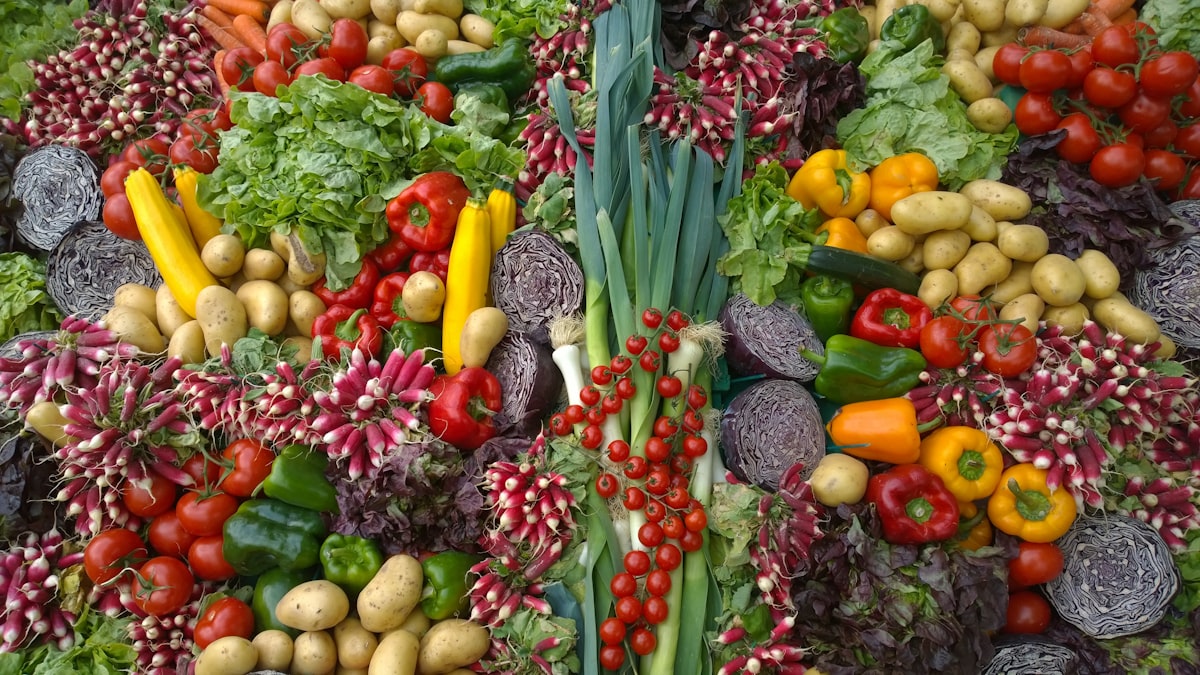
Build your meals around minimally processed, nutrient-dense whole foods. Learn to identify and select organic produce, grains, legumes, and proteins that fuel your body naturally.
Seasonal & Local Eating
Eat in harmony with the seasons to maximize freshness and nutritional value. Discover local farmers' markets and how seasonal eating connects you with your food source.
Balanced Macro Nutrition
Understand the role of proteins, healthy fats, and carbohydrates in your diet. Learn portion control and meal composition that supports sustained energy and metabolic health.
Gut Health & Digestion
Discover how fibre-rich whole foods support digestive wellness. Learn about fermented foods, prebiotics, and practices that foster a thriving microbiome.
Chemical-Free Choices
Understand pesticides, additives, and processing methods. Learn how to read labels, choose certified organic products, and reduce your exposure to synthetic chemicals.
Mindful Eating Habits
Develop a conscious relationship with food. Master portion awareness, eating pace, and intuitive nutrition that supports both physical and mental wellbeing.

Why Organic Foods Matter for Your Health
Organic produce is grown without synthetic pesticides, artificial fertilisers, or genetically modified organisms. Research shows that choosing organic can significantly reduce your exposure to harmful chemicals whilst maximising nutritional density.
Higher Nutrient Density
Organic farming practices build healthier soil, resulting in crops with more vitamins, minerals, and antioxidants per serving.
Reduced Chemical Burden
Avoiding pesticide residues reduces your body's detoxification load, supporting natural elimination pathways.
Environmental Stewardship
Organic practices protect soil health, water quality, and biodiversity for a sustainable food system.
Better Flavour Profile
Organically grown foods often have richer, more authentic tastes due to slower ripening and natural growing conditions.
Your 4-Week Journey to Healthy Habits
Follow this progressive guide to build sustainable organic eating habits step by step.
Week 1: Awareness & Audit
Track your current eating habits. Read food labels. Identify processed foods and sugar sources. Visit a local farmers' market to explore organic options and build familiarity with seasonal produce.
Week 2: Swap & Replace
Start replacing processed foods with whole-food alternatives. Swap white bread for whole grains. Replace sugary drinks with herbal tea and water. Begin incorporating more vegetables into each meal.
Week 3: Meal Planning
Plan your weekly meals using organic ingredients. Prepare a shopping list with certified organic items. Start batch cooking and meal prepping to ensure consistent access to healthy foods throughout the week.
Week 4: Sustain & Thrive
Evaluate your progress and notice changes in energy, digestion, and overall wellbeing. Refine your favourite recipes. Establish sustainable routines and continue learning through articles and recipes on our platform.
Clean Eating vs. Standard Diets
See how organic, whole-food nutrition stands apart in delivering real, sustainable results.
| Aspect | Organic Clean Eating | Processed Diet |
|---|---|---|
| Ingredients | Whole foods, minimal processing, no synthetic additives | Refined grains, added sugars, artificial flavourings |
| Energy Levels | Sustained, stable energy throughout the day | Energy crashes and afternoon fatigue common |
| Digestion | Improved with fibre-rich whole foods and natural enzymes | Often sluggish due to low fibre and additives |
| Mental Clarity | Enhanced focus and cognitive function | Brain fog and concentration difficulties typical |
| Chemical Exposure | Minimal pesticides and synthetic chemicals | High residue levels from pesticides and additives |
| Nutrient Density | Rich in vitamins, minerals, and phytonutrients | Often nutrient-depleted despite calories |
| Sustainability | Easy to maintain long-term as a lifestyle | Difficult to sustain; often leads to cycles |
Ready to Start Your Organic Journey?
Explore our comprehensive collection of recipes, nutrition tips, and meal planning resources designed to make clean eating simple and sustainable.
Common Questions About Organic Eating
Find answers to frequently asked questions about adopting and maintaining clean eating habits.
Is organic always better than conventional?
Organic foods are grown without synthetic pesticides and fertilisers, making them generally a cleaner choice. However, any whole food — organic or not — is better than ultra-processed alternatives. Prioritise organic for items with higher pesticide residues (berries, leafy greens, tomatoes).
How can I afford organic foods?
Shop seasonal and local produce at farmers' markets, buy in bulk, grow your own herbs and vegetables, and prioritise organic for items you eat most frequently. Consider frozen organic vegetables and fruits — they're often cheaper and equally nutritious.
How long does it take to see results?
Many people notice improvements in energy levels, digestion, and mental clarity within 2-3 weeks. Sustained changes in strength, sleep quality, and overall wellbeing typically develop over 4-8 weeks as your body adapts to cleaner nutrition.
Can I follow clean eating with dietary restrictions?
Absolutely. Organic eating principles work with vegan, vegetarian, gluten-free, and other dietary approaches. Focus on whole foods within your chosen diet framework, and our recipe collection includes options for various restrictions.
What if I slip up and eat processed foods?
One meal doesn't define your journey. Clean eating is about consistent habits, not perfection. Return to your healthy choices at the next meal without guilt. Progress comes from the overall pattern, not isolated moments.
How do I meal plan on a budget?
Plan meals around affordable, seasonal produce. Use beans and lentils as protein sources. Buy whole grains in bulk. Use frozen vegetables and fruits. Check our nutrition tips section for detailed budget-friendly meal planning strategies and shopping lists.
Real Meals from Real People
Discover actual organic meals and meal combinations that people enjoy on their wellness journey.
Power Buddha Bowl
Organic quinoa, roasted sweet potato, leafy greens, chickpeas, avocado, and tahini dressing. Packed with protein, fibre, and healthy fats for sustained energy.
View Recipe →
Superfood Smoothie Bowl
Organic spinach, banana, mango, plant-based milk, and topped with berries, seeds, and natural granola. A vibrant breakfast full of antioxidants.
View Recipe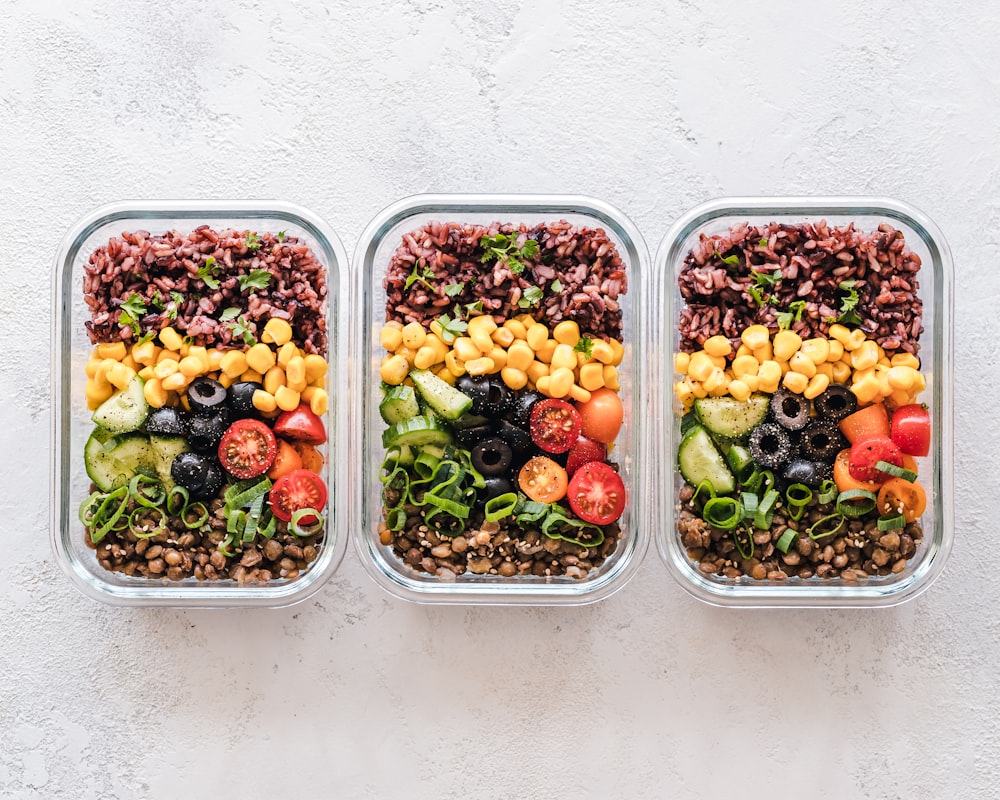
Grilled Chicken & Quinoa
Herb-marinated chicken breast paired with fluffy quinoa and colorful roasted vegetables. High in protein and fiber for sustained energy.
View Recipe
Buddha Bowl with Tahini
Nutritionally balanced bowl featuring roasted chickpeas, sweet potato, massaged kale, and creamy tahini dressing. Perfect for lunch or dinner.
View RecipeWhat Our Users Say
Real stories from people transforming their health and wellness.
Jessica Martinez
Fitness enthusiast
"This guide completely changed my approach to fitness. The meal plans are easy to follow and the workout routines fit perfectly into my busy schedule. I've never felt better!"
Robert Kim
Weight loss journey
"Lost significant weight in 3 months with these science-backed strategies. The nutrition tips are backed by research and the community support keeps me motivated every single day."
Sarah Lee
Wellness coach
"As a wellness professional, I recommend this guide to all my clients. The holistic approach covering nutrition, fitness, and mental health is exactly what the industry needs."
Frequently Asked Questions
Get answers to common questions about our fitness and wellness programs.
For optimal results, we recommend 4-5 workouts per week combined with adequate rest days. Beginners should start with 3 days per week and gradually increase intensity. Listen to your body and adjust based on your fitness level and recovery.
Absolutely! Our meal plans are fully customizable for vegetarian, vegan, gluten-free, keto, and many other dietary preferences. Simply select your dietary restrictions in your profile and our system will generate personalized meal options that meet your nutritional needs.
Most users report noticing improvements in energy levels within 2-3 weeks. Physical changes like increased muscle definition or weight loss typically become visible within 4-6 weeks with consistent effort. Remember that results vary based on starting point, genetics, and adherence to the program.
Yes! Our platform includes an active community forum, weekly group challenges, and access to certified fitness coaches. Members can share progress, ask questions, and support each other on their wellness journey. Our community is supportive, inclusive, and motivating.
We offer flexible membership options with no long-term contracts. You can pause your membership for up to 3 months or cancel anytime with no questions asked. Your progress data is saved, so you can pick up right where you left off when you're ready.
Ready to Transform Your Health?
Join thousands of members already achieving their fitness and wellness goals with our comprehensive guide and supportive community.